
Science
Your Brain in 90 Days
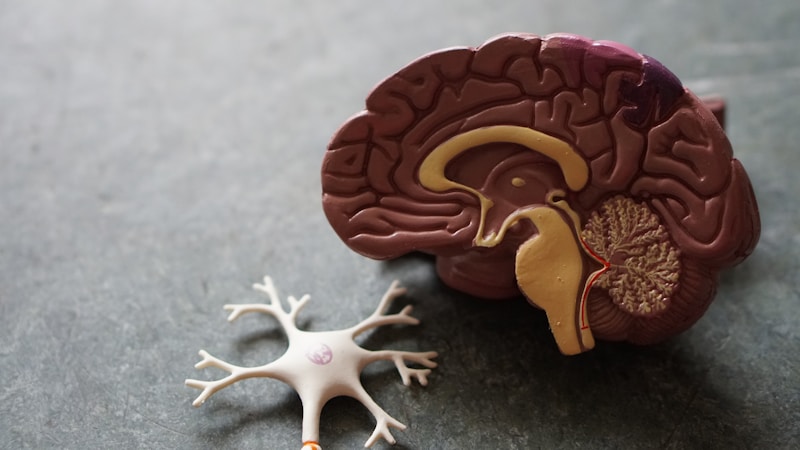
What happens in your brain during 90 days of abstinence? Thanks to functional neuroimaging (fMRI) we can follow the real changes, and they are striking.
Weeks 1-2: the storm
The reward system is asking for the stimulus. The amygdala is overactive, bringing anxiety and irritability. The prefrontal cortex is fighting impulses with reduced strength. Neurologically, this is the hardest phase.
Weeks 3-4: recalibration
Dopamine D2 receptors start restoring. Cravings come less often. Sleep starts improving, which helps the brain repair itself overnight.
Weeks 5-8: rebuilding
Grey matter volume in the prefrontal cortex starts increasing. Self-control improves measurably. Ordinary activities start producing pleasure again.
Weeks 9-12: consolidation
New neural pathways consolidate. The reward system responds normally to real stimuli. Mental clarity is noticeably better. Freedom starts to feel natural.
After 90 days
The addiction pathways have not disappeared, they have gone dormant. Watchfulness is still needed. But now you have a working brain to keep watch with. The difference between day 1 and day 90 is measurable on a brain scan.
You do not have to hold this alone.
A counter that counts on its own, a daily check-in, a community by nickname and, if you want, a real same-gender partner. Free to use, on Android and iPhone.
Free to use · No card, no deadline
Keep reading
I Found Out My Husband Watches Pornography: What Now?
What to feel, what to ask and what to do when you find out your partner uses pornography, without destroying the relationship or pretending everything is fine.
ScienceWhat Pornography Does to Your Brain
Dopamine, tolerance and neuroplasticity: what science shows about how pornography rewires the brain and how it recovers when you stop.
WellnessPornography and Self-Esteem: How to Break the Shame Cycle
Why pornography use erodes self-esteem, how the shame and relapse cycle feeds itself and the path to rebuilding yourself.